



NEG Power: The Significance of Short Circuit Protection in EV Charger Installation
As the adoption of electric vehicles (EVs) continues to grow, ensuring the safety and efficiency of EV chargers is paramount. One critical safety feature in EV charger systems is short circuit protection. This mechanism safeguards both the charging equipment and the vehicle by interrupting the circuit in the event of a short circuit, preventing potential damage and hazards. What is a Short Circuit? A short circuit occurs when electrical current takes an unintended path of lower resistance, bypassing the normal load. This can lead to excessive current flow, overheating, and even fire hazards. In the context of EV charger installation Singapore, short circuits can result from faulty wiring, damaged cables, or compromised internal components. How Short Circuit Protection Works in EV Chargers Short circuit protection in EV chargers is typically implemented using circuit breakers or fuses. These devices are designed to detect abnormal current levels and disconnect the power supply instantly. Advanced chargers may also integrate electronic protection systems that monitor the circuit in real-time, offering quicker and more reliable response times. Importance of Short Circuit Protection in EV Charger Installation Equipment Safety: Short circuit protection prevents damage to the EV charger, extending its lifespan and maintaining its functionality. Vehicle Protection: It safeguards the vehicle’s battery and electrical systems from highcurrent exposure, which could lead to costly repairs. User Safety: By mitigating the risk of electrical fires and shocks, short circuit protection enhances overall safety for users and nearby structures. Compliance with Standards: Most EV charger installations Singapore are subject to stringent electrical codes that mandate the inclusion of short circuit protection. Short circuit protection is a fundamental aspect of any EV charger system. Whether you’re planning a new EV charger installation Singapore or upgrading an existing one, ensuring proper protection mechanisms are in place is essential for safety and performance. Visit our site : https://www.negpower.sg/
Read more


Is Your Website Losing Customers? A Beginner’s Guide to Website Speed Optimization- Logo Design Sing
Speed is no longer a luxury — it is a necessity. A slow-loading website can cost you more than just frustration; it can cost you potential customers, revenue, and even your credibility. For business owners and brands competing online, website speed optimization is one of the most critical factors influencing user experience, engagement, and search rankings. This guide breaks down what website speed optimization means, why it is so crucial for your business, and how you can approach it, even if you are just starting out. If you are working with a Website Designer Singapore or development team, understanding the basics will help you make informed decisions and ensure that your site performs at its best. Why Website Speed Matters Your website acts as a digital storefront, and first impressions are formed within seconds. If visitors have to wait too long for a page to load, they are likely to abandon the site altogether. A fast-loading website has several benefits: Improved User Experience — Visitors appreciate smooth navigation and fast-loading content, which keeps them engaged longer. Higher Conversion Rates — The faster the site, the more likely users are to complete a desired action, whether it is filling out a form or making a purchase. Better Search Engine Rankings — Search engines consider page speed as part of their ranking algorithm, so a faster website is more likely to appear higher in search results. Lower Bounce Rates — When users are not forced to wait, they are more inclined to explore multiple pages, reducing the chance of leaving after just one visit. Key Metrics to Measure Website Speed Before you can improve your site’s speed, you need to know how it is performing. A few key metrics provide a clear picture of your website’s loading performance: Page Load Time — The total time it takes for a page to fully display its content. Time to First Byte (TTFB) — How quickly the server responds after a user requests a page. Largest Contentful Paint (LCP) — Measures how fast the main content of a page becomes visible to users. First Input Delay (FID) — Indicates how quickly a page becomes interactive after loading. Cumulative Layout Shift (CLS) — Measures visual stability by tracking how much elements shift while loading. Understanding these metrics helps you pinpoint performance issues and monitor progress as you optimize. The Impact of Poor Website Speed Slow websites create a negative ripple effect on multiple aspects of a business. Delays in loading can frustrate visitors and push them toward competitors. Moreover, search engines can lower your site ranking if performance metrics indicate poor speed. This means reduced visibility, fewer visitors, and ultimately lower revenue. A sluggish site can also harm your brand image. Visitors may perceive your business as outdated or unreliable, even if your products or services are excellent. Over time, this can damage trust and make it harder to retain loyal customers. Common Factors Affecting Website Speed Many variables contribute to a site’s performance. Knowing these factors can help you collaborate better with your Website Designer Singapore or developer to find solutions. Server Performance — If the hosting server is slow or overloaded, your website will suffer regardless of how well it is designed. File Sizes — Large media files and unoptimized code can significantly slow down loading t imes. Unnecessary Plugins or Scripts — Too many third-party tools can weigh down your site. Caching Issues — Without proper caching configurations, browsers must reload all data every t ime a user visits a page. Content Delivery Method — Serving content from a single location can create delays for users accessing the site from faraway regions. Identifying which of these areas is slowing down your site is the first step toward improvement. Beginner-Friendly Approaches to Speed Optimization The good news is that website speed optimization does not require advanced technical knowledge to get started. Several best practices can make a noticeable difference: Optimizing Hosting Setup Choosing a reliable hosting provider with strong performance can reduce server response t ime and improve load speed. Streamlining Website Code Clean, efficient code ensures browsers can process and display pages quickly. Minimizing unnecessary elements and removing redundant scripts can significantly boost performance. Enabling Browser Caching Caching allows browsers to store certain parts of a website so that they do not need to be downloaded again on repeat visits. Using a Content Delivery Network (CDN) A CDN distributes website content across multiple servers around the world, ensuring that users access data from the nearest location. Compressing Images and Files Reducing file sizes without sacrificing quality can dramatically improve page load time. Optimizing for Mobile Devices A large percentage of users access websites on smartphones. Ensuring a mobile-friendly design that loads quickly on smaller screens is critical. The Role of a Website Designer in Speed Optimization Working with a skilled Website Designer Singapore can make the entire process smoother. A designer who understands performance best practices will ensure that your site is not only visually appealing but also optimized for speed. The designer’s responsibilities can include: Creating lightweight layouts that do not overload the browser. Choosing typography and visual elements that maintain balance between aesthetics and performance. Collaborating with developers to implement efficient code structures. Testing responsiveness to ensure a consistent experience across devices. A well-informed Website Designer understands that speed is part of user experience and integrates optimization into the design process from the very beginning. Balancing Speed with Design While it may be tempting to add elaborate animations or heavy visual features, speed should always remain a priority. Striking a balance between design and performance is essential. Overloading a site with unnecessary elements may create a stunning visual display, but if it slows loading time, visitors may never stay long enough to appreciate it. When working on your website, aim for simplicity and clarity. A clean layout, concise content, and thoughtfully chosen images can look professional and help maintain fast loading times. Ongoing Maintenance for Lasting Performance Website speed optimization is not a one-time task. As your business grows, you may add new pages, media, or features that can gradually slow performance. Regular monitoring ensures that your site continues to deliver the best experience. Establish a routine for: Tracking performance metrics regularly. Updating plugins, themes, and scripts to their latest versions. Removing outdated content or unused files. Reviewing hosting plans as traffic increases. Consistent maintenance keeps your site performing at its peak and reduces the risk of losing potential customers due to avoidable delays. Final Thoughts In today’s digital environment, speed is a critical factor that directly impacts your website’s ability to attract and retain customers. Understanding the basics of website speed optimization allows business owners and marketers to make informed decisions that strengthen online presence and improve results. Partnering with a knowledgeable Website Designer Singapore ensures that speed is prioritized alongside aesthetics. By taking proactive steps to monitor and enhance your site’s performance, you can create a seamless experience that keeps visitors engaged, improves search rankings, and ultimately drives more conversions. If your website feels slow, now is the time to act. The sooner you address performance issues, the sooner you can stop losing potential customers and start turning your site into a powerful, high-performing tool for your business. Pop over here : https://www.logodesignsingapore.sg/freelance-web-designer-singapore/
Read more
The Future of EV Charger and Energy Storage Systems:-Neg Power
As electric vehicles (EVs) and renewable energy adoption continue to rise, the future of EV charger installation and energy storage systems is set to be shaped by advanced technology. Key advancements in display functions and protection features are driving improvements in efficiency, safety, and user experience, with significant benefits for both EV charger installers in Singapore and end-users. Enhanced Display Functions in EV Chargers and Energy Storage Systems The role of displays in both EV chargers and energy storage systems is becoming increasingly important. Future systems will feature advanced digital interfaces that provide real-time data, such as charging speed, energy consumption, battery health, and even grid integration status. For EV chargers, users will benefit from more intuitive touchscreens, smartphone apps, or even voice control capabilities, allowing for easier management of charging schedules and optimization of energy use. Similarly, energy storage systems will incorporate high-resolution displays that offer real-time insights into power levels, energy flow, and system status, enabling users to maximize their storage efficiency. For EV charger installers Singapore, this means more streamlined installations with easier to-configure systems. Installers will be able to set up chargers with advanced diagnostics to quickly identify any issues through the display, making maintenance and troubleshooting more efficient. Advanced Protection Features for Safety and Longevity As technology advances, protection functions within both EV chargers and energy storage systems will become more sophisticated. Protection features such as overcurrent, short circuit protection, and thermal management are already in place, but future developments will push these to new heights. Singapore EV chargers’ installers will integrate smart protection systems that can detect and respond to anomalies, such as overheating or power surges, in real time. These systems will automatically shut down the charger or reroute power to prevent damage to the vehicle’s battery or the charger itself. For energy storage systems, enhanced protection features will include fire-resistant materials, battery health monitoring, and advanced surge protection, reducing the risk of damage and increasing the longevity of the system. These advanced protection features are essential for EV charger installers Singapore, as they ensure safety and provide peace of mind. Installers will need to stay up-to-date with the latest technologies to ensure installations meet evolving safety standards. Dust-proof and Water-proof Class: Ensuring Durability The demand for EV chargers and energy storage systems that can withstand varying environmental conditions is also growing. Future systems will feature higher dust-proof and water-proof classifications (IP ratings) to ensure reliability in both indoor and outdoor installations. This is especially crucial for EV chargers that are installed in open spaces or commercial areas where exposure to dust, rain, or extreme temperatures can impact performance. For energy storage systems, especially those integrated with solar panels, enhanced dust proof and water-proof ratings will ensure long-term functionality, even in harsh conditions. These systems will be built to endure extreme environments, providing more flexibility in installation locations and increasing their overall lifespan. The future of EV chargers will see significant enhancements in display functionalities, protection features, and environmental durability. As EV charger installers Singapore embrace these advances, they will be able to offer safer, more efficient, and user-friendly systems to customers. With the integration of these cutting-edge features, both EV chargers and energy storage systems will play an even more pivotal role in building a sustainable, energy-efficient future. Pop over here : https://www.negpower.sg/
Read more
The demand for safe and efficient EV charger installations in Singapore has never been greater. — Ne
As the adoption of electric vehicles (EVs) continues to rise, the need for a safe and efficient EV Charger Installation in Singapore has become paramount. Beyond just convenience, ensuring the safety of the installation process and the Electric Vehicle Charger itself is critical. Incorporating advanced protection mechanisms like over/under voltage protection, overload protection and longevity of your EV charging system. Over/Under Voltage Protection Voltage fluctuations are a common occurrence in electrical systems. Overvoltage can damage sensitive components within the Electric Vehicle Charger, while undervoltage can lead to inefficient charging or potential harm to your EV battery. A robust charger installation includes systems that regulate voltage levels, ensuring safe and stable operation. Overload Protection Overloading occurs when the current demand exceeds the system’s capacity, potentially causing overheating and damage to electrical components. A reliable EV Charger Installation is equipped with overload protection to monitor and limit current flow, preventing such scenarios and maintaining the safety of your charging station. Short Circuit Protection Short circuits can result from wiring faults or unexpected contact between conductive materials. This poses a significant risk of fire and equipment damage. Short circuit protection in an Electric Vehicle Charger instantly cuts off power supply during such incidents, safeguarding your EV and the surrounding environment. Surge Protection Power surges, often caused by lightning strikes or sudden changes in power supply, can severely damage electrical devices. Surge protection in EV chargers mitigates these risks by diverting excess voltage away from sensitive components, ensuring the safety of both the charger and your EV. Why Safety Matters in EV Charger Installation Installing an EV charger isn’t just about convenience; it’s about building a safe and reliable charging infrastructure. Ensuring the charger has these essential protections not only safeguards your investment but also enhances the efficiency and performance of your charging system. When considering EV Charger Installation in Singapore, always choose certified professionals and high-quality equipment to ensure the best safety standards. By doing so, you’re not just charging your vehicle but also protecting your home, your EV, and yourself. Pop over here : https://www.negpower.sg/ev-charger-ac-dc/
Read more

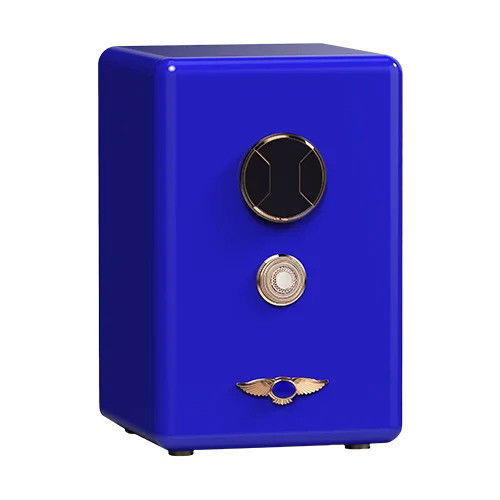
Modern Security with a Royal Touch: Why the Queen Series Safe Is a Game-Changer-My AFB Safe
In a world where personal security meets cutting-edge technology, the Queen Series Safe rises as a standout solution, offering an exceptional blend of elegance, innovation, and reliability. Designed for discerning users who demand top-tier security with a hint of sophistication, the Queen Series Safe is more than a place to store valuables — it’s a symbol of modern safety redefined. With features such as a digital touchpad, fingerprint unlocking, and combined knob/key access, it delivers unparalleled convenience and protection, making it a true game-changer for Safe Deposit Boxes Singapore. The Rise of Smart Safes: Shaping the Future of Security Traditional safes served their purpose in the past, but as technology evolved, so did the need for more sophisticated storage solutions. Consumers today expect more than just a sturdy box with a lock; they want intelligent, interactive, and user-friendly systems. The Queen Series Safe addresses these demands with smart features that blend seamlessly into modern lifestyles. It’s more than just a secure storage solution — it’s a smart home device, an elegant furnishing, and a statement of status all in one. Feature Highlight 1: Digital Touchpad Interface At the forefront of its innovations is the digital touchpad interface. This sleek, responsive touch panel allows users to access their safes with ease and speed. Unlike traditional button based interfaces, the digital touchpad offers: Quick PIN entry: Enter your personalized code with minimal effort. LED illumination: Enhanced visibility even in low-light conditions. Error alerts: Notifications for incorrect entries or unauthorized attempts. Programmable access: Ability to change PINs easily for security refresh. This feature alone sets the Queen Series apart from conventional safes. The digital interface doesn’t just make access easier; it elevates the entire user experience, reflecting the same quality you’d expect in modern smart devices. Feature Highlight 2: Advanced Fingerprint Unlocking System Another game-changing feature of the Queen Series Safe is its fingerprint unlocking technology. Biometrics have become a trusted method for authentication in everything from smartphones to banking. Integrating this into a Safe Deposit Box Singapore marks a monumental leap forward in security. The fingerprint sensor provides: Fast authentication: Gain access in under a second. High accuracy: Enhanced sensors reduce the chances of false rejection or acceptance. Multi-user access: Store multiple fingerprints for trusted family members. Tamper-proof design: Unauthorized users cannot bypass or trick the system. This feature ensures that only registered users can access the contents, making it ideal for securing valuable documents, jewelry, digital devices, and even confidential business materials. Feature Highlight 3: Combined Knob and Key Access For those who value traditional security elements, the Queen Series Safe includes a combined knob and key access system. This redundancy serves multiple purposes: Backup access: In case the digital or biometric systems fail or the battery dies, the mechanical key provides reliable access. Dual security: Requires both digital or fingerprint authentication and manual interaction for added protection. Aesthetic design: The knob is not just functional; it is designed with elegance and precision, adding a regal touch to the safe’s overall appearance. The combined access design ensures there are always multiple layers of protection, making it incredibly difficult for unauthorized users to compromise the safe. Designed for Home and Business Use The versatility of the Queen Series Safe makes it ideal for both home and business settings. For homeowners, it offers peace of mind that valuables and sensitive documents are secure. For businesses, especially those handling confidential information or high-value items, the Queen Series Safe acts as a secure vault that doesn’t compromise on style. Whether placed in a bedroom, office, or private study, its refined design complements any modern interior. The finish, shape, and user interface are meticulously crafted to reflect premium taste without drawing unnecessary attention. Convenience Meets Royalty Beyond the standard features, the Queen Series Safe offers a user experience that’s hard to beat. Here’s what sets it apart: Soft-close door mechanism: Ensures quiet, secure closure without disturbing the surroundings. Interior LED lighting: Automatically illuminates the interior when opened, helping users locate items quickly. Velvet-lined compartments: Provides a luxurious and protective surface for delicate items. Adjustable shelves: Customize storage based on the size and type of items. These thoughtful details make the Queen Series not just a functional item, but a luxury possession. Safety Without Compromise While many safes on the market offer one or two advanced features, few combine them all as seamlessly as the Queen Series. Most importantly, it ensures that security is never compromised for convenience. With this safe, you enjoy: 24/7 security access with PIN or fingerprint. Physical resistance to tampering, drilling, and brute-force attacks. Alarm notifications (optional models) for incorrect password entries or forced opening attempts. Battery backup and low-battery warning indicators. The Queen Series Safe is designed to withstand not just digital threats but physical breaches as well. Why It’s a Game-Changer in the Safe Deposit Box Market When comparing safes, the Queen Series consistently ranks at the top due to its holistic approach to protection. Here’s why it’s disrupting the Safe Box Singapore landscape: Combines modern and traditional access methods. Biometric security is no longer reserved for high-end banks or corporations — it’s now in your home. User-friendly design means minimal learning curve and maximum comfort. Visual appeal turns it from a purely functional item into a design element. Scalable usability for both personal and commercial needs. With increasing digitalization, people are storing less in banks and more in their homes. The Queen Series Safe responds to this trend by offering security that doesn’t require compromise. Ideal for Protecting What Matters Most What can you store in the Queen Series Safe? Practically anything that matters: Jewelry and precious metals Legal and financial documents Digital storage devices (hard drives, USBs) Passports and ID cards Cash reserves Family heirlooms Its design ensures each of these items stays protected from both unauthorized access and environmental damage. Final Verdict: Royalty in Every Detail The Queen Series Safe embodies a new standard in secure storage. Its perfect blend of advanced technology, thoughtful design, and uncompromising security makes it a standout in today’s market. With rising concerns about home theft, data breaches, and the safety of personal property, the need for a reliable and elegant Safe Deposit Box Singapore has never been greater. Investing in the Queen Series Safe is more than purchasing a protective container — it’s choosing peace of mind, regal sophistication, and cutting-edge innovation. If you’re looking for a safe that offers more than just locking mechanisms — one that understands and respects the modern lifestyle — then look no further. The Queen Series Safe is where modern security truly meets a royal touch. Visits us : https://myafbsafe.com.sg
Read more
Fingerprint First: The Rise of Biometric Security in Luxury Safes-My AFB Safe
Traditional lock-and-key systems are gradually being replaced by smarter, more secure alternatives. At the forefront of this innovation is biometric security — particularly fingerprint recognition — which is rapidly becoming a defining feature in luxury safes in Singapore. From elite households to high-end businesses, fingerprint safes offer an unmatched blend of accessibility, security, and style. One of the most striking developments in this domain is the introduction of the Princess and Queen Series biometric safes. These luxurious models exemplify the future of home security by combining aesthetic excellence with advanced biometric technology. The result is a safe that not only protects your valuables but also elevates the elegance of your living space. The Evolution of Safe Technology Historically, safes have relied on mechanical locks, combination dials, or traditional keys to ensure security. While these methods have served well for generations, they are not without their flaws. Keys can be lost, combinations forgotten, and locks picked. As consumers demand more convenient and foolproof solutions, the market has responded with biometric safes that place the user’s fingerprint at the center of security access. Fingerprint safes work by using a biometric scanner that reads the unique patterns of a person’s fingerprint. This data is stored securely and used as a reference every time the safe is accessed. Unlike traditional access methods, fingerprints are almost impossible to replicate, offering a higher level of security and significantly reducing the risk of unauthorized access. Why Fingerprint Technology? There are several compelling reasons for the rise in popularity of fingerprint safes: Convenience: No need to remember combinations or keep track of keys. Just a simple touch grants instant access. Speed: Fingerprint safes unlock in seconds, making them ideal for quick access in emergencies. Security: Biometric data is unique to each individual, making unauthorized access nearly impossible. User Management: Many fingerprint safes allow multiple fingerprints to be stored, enabling shared access among trusted individuals. These advantages make fingerprint technology particularly appealing for those who seek both security and simplicity in their personal safe Singapore solutions. The Princess Series: Where Elegance Meets Innovation The Princess Series biometric safe is the epitome of refined security. Designed for individuals who value both aesthetic beauty and advanced technology, this series combines luxury materials with a sleek, compact design. The fingerprint scanner is seamlessly integrated into the front panel, ensuring that the safe remains both secure and visually stunning. One of the standout features of the Princess Series is its quick-access biometric system. With a high-resolution fingerprint sensor and rapid response time, users can access their belongings almost instantly. Internally, the safe boasts velvet-lined compartments and customizable shelving, providing a secure yet elegant storage solution for jewelry, important documents, and other valuables. Additionally, the Princess Series comes equipped with backup key access and a numeric keypad, offering multi-layered security without compromising on style. This makes it a perfect addition to walk-in closets, bedrooms, or luxury dressing rooms. The Queen Series: Power and Prestige If the Princess Series is about elegance, the Queen Series is about power and presence. Slightly larger and more robust, the Queen Series safe Singapore is designed for those who require higher storage capacity and enhanced security features. What sets the Queen Series apart is its reinforced construction and high-capacity fingerprint memory. It can store up to 50 fingerprints, making it ideal for family use or small businesses. The biometric scanner is complemented by an LCD display that shows access logs, battery status, and operational settings — a rare feature in most standard safes. Internally, the Queen Series offers compartmentalized storage with LED lighting, enhancing visibility and usability. It is ideal for storing larger items such as watches, luxury handbags, collectibles, and even small electronics. This safe brings peace of mind without sacrificing visual appeal, thanks to its polished metallic exterior and precision detailing. The Intersection of Design and Function One of the most significant shifts in the world of safes is the recognition that a safe in Singapore doesn’t just have to be secure — it can also be beautiful. Both the Princess and Queen Series demonstrate that form and function can coexist harmoniously. Each safe in these series is crafted with meticulous attention to design, using high-end materials such as brushed aluminum, tempered glass, and soft-touch finishes. These are not safes to be hidden away; they are meant to be seen and admired, doubling as decorative elements in luxury interiors. Moreover, the integration of biometric technology is done in a way that enhances the user experience without making the safe Singapore feel overly technical. Simple interfaces, responsive touchpoints, and intuitive setup processes ensure that even the least tech-savvy users can enjoy the benefits of a fingerprint safe. The Growing Demand for Biometric Safes As awareness of biometric technology increases, so does consumer demand for advanced safes that prioritize both ease of use and top-tier security. In luxury markets, where both design and function are paramount, fingerprint safes Singapore have found a particularly receptive audience. High-net-worth individuals, frequent travelers, and business professionals are increasingly investing in biometric safes like the Princess and Queen Series. These safes offer not just security, but also a statement of sophistication and modern living. Furthermore, the global rise in home automation and smart home systems has fueled interest in safes that can integrate seamlessly with digital lifestyles. Fingerprint safes, with their blend of physical and digital security, represent a natural progression in this ecosystem. Choosing the Right Biometric Safe When selecting a biometric safe, consumers should consider several key factors: Capacity: Determine the size based on what you intend to store. Fingerprint Capacity: Useful for shared access in families or business environments. Backup Options: Ensure the safe includes alternative access methods like PINs or keys. Power Supply: Choose models with long battery life and low-battery alerts. Design Compatibility: Select a safe that complements your interior aesthetics. The Princess and Queen Series meet and exceed expectations in all these areas, making them standout options in the market. Conclusion: The Future is Fingerprint-First Biometric safes are no longer a futuristic concept; they are a present-day reality redefining how we think about home security. With their blend of innovation, style, and functionality, fingerprint safes like the Princess and Queen Series are setting new standards in the luxury safe industry. By placing fingerprint recognition at the heart of access control, these safes provide not only superior protection but also an unmatched user experience. Whether you prioritize elegance, capacity, or cutting-edge features, there’s a biometric safe Singapore to suit your needs — and the Princess and Queen Series prove that you don’t have to compromise on any front. In a world where security is paramount and style is personal, going fingerprint-first with a luxury biometric safe is not just a choice — it’s a statement. Visits us : https://myafbsafe.com.sg
Read more
The Vault: Where Fire Resistance Meets Luxury Design-My AFB Safe
While functionality has always been the primary criterion for security products, today’s discerning consumers expect more. Security must now come with sophistication. That’s where “The Vault” stands apart: a perfect fusion of fire resistance, cutting-edge technology, and exquisite luxury. It is not just a safe deposit box Singapore — it is a masterpiece of form and function. Whether you’re storing family heirlooms, high-value documents, or precious jewelry, The Vault offers an exceptional solution that protects what you value most — while elevating the experience with a refined aesthetic that fits into the most luxurious interiors. A New Era of Personal Security Traditionally, a safe deposit box Singapore was synonymous with cold metal, basic locking mechanisms, and an industrial appearance. Designed purely for protection, the aesthetics were often overlooked. But the modern homeowner seeks more — a protective solution that also complements high-end living spaces. The Vault represents the new standard in personal security. It isn’t merely a fire-resistant box; it’s a designer statement. Built to resist extreme heat and potential threats, while lined with soft, premium leather, it addresses both the logical and emotional needs of users. The combination of fireproof materials and fine interior detailing ensures it’s suitable for penthouses, private offices, or luxury boutiques alike. Built for the Extremes: Fire Resistance that Outperforms At the core of The Vault is its extraordinary fire-resistant engineering. Designed to endure severe heat, it safeguards contents even during prolonged exposure to extreme temperatures. Key fireproofing features include: Multi-layer composite construction with fire-insulating material. Heat-sealed door gaskets that expand under high temperatures to block flames and smoke. Certified fire resistance ratings (typically exceeding 1–2 hours depending on model). Intelligent thermal insulation, ensuring delicate items like electronics or documents remain intact. Unlike conventional safes that may falter during prolonged exposure, The Vault remains sealed, protective, and cool internally — ensuring that valuable contents survive even the most devastating fire-related incidents. Whether storing contracts, deeds, passports, or rare collectibles, this safe deposit box Singapore gives absolute peace of mind. Designed to Impress: Luxury Leather Interior What truly elevates The Vault beyond the ordinary is its leather-lined interior, setting a new benchmark in safe design. It’s not just a box — it’s a curated experience every time you open it. The interior is meticulously crafted with: Fine leather lining in rich tones, offering a soft and elegant surface for your valuables. Customizable compartments and drawers for jewelry, watches, passports, and sensitive electronics. Anti-scratch surfaces and velvet-backed holders to prevent damage to delicate items. Subtle LED lighting, activated upon opening, to illuminate the contents in a sophisticated glow. This marriage of utility and luxury creates a secure yet indulgent space to store your most prized possessions. The Vault speaks the language of elegance. It respects the value — not just of what’s stored inside — but of the person who owns it. Intelligent Locking Mechanism: Security Meets Simplicity Beyond its physical protection and aesthetic appeal, The Vault also incorporates advanced locking technologies that bring 21st-century intelligence to traditional safekeeping. Key security features include: Biometric fingerprint recognition, ensuring only authorized access. Digital keypad with customizable PIN and an encrypted locking algorithm. Mechanical override system with dual keys in case of emergency. Audit trails and access history (in digital models), ideal for sensitive usage tracking. Tamper alerts and invalid access alarms, providing real-time response to intrusion attempts. The combination of mechanical and digital safeguards ensures a multilayered defense that is virtually impenetrable. Every Vault safe deposit box Singapore is not only secure — it’s smart. Functionality Meets Versatility One of the most notable qualities of The Vault is its ability to serve diverse roles. While it functions fundamentally as a secure safe deposit box, its design allows for a variety of placements and uses: Luxury Home Installations: Integrate it into wardrobes, walk-in closets, or private studies. High-End Retail: Jewelry stores or art galleries can use it for display and after-hours security. Corporate Executive Offices: Protect confidential contracts, memory drives, and sensitive data. Boutique Hotels or Private Villas: Offer clients a secure and refined in-room storage option. The Vault doesn’t just hide valuables — it showcases the thought and care you put into protecting them. Customization for Personalized Elegance No two users are alike. Understanding that, The Vault offers customization options that go far beyond the ordinary: Choice of leather finishes, including Italian full-grain leather, suede, or custom textures. Interior layouts tailored to specific collections — watches, rings, cash, or passports. Color schemes that complement your interior décor — from classic black to ivory cream. Monogramming and branding for personalized or corporate installations. This approach transforms the safe into a personal luxury product. A safe deposit box Singapore no longer needs to be hidden in a dark corner or a back room — it can be a visual centerpiece that reflects your style. Meeting the Needs of Modern Clients In a world where personal branding and aesthetics play an increasingly important role in decision-making, The Vault appeals to an elite clientele that expects nothing less than perfection. Its refined construction speaks to those who value sophistication. Its resilience speaks to those who value security. Clients who choose The Vault are typically: High-net-worth individuals seeking premium asset protection. Collectors and connoisseurs of rare items needing temperature-resistant storage. Business leaders handling sensitive documents or intellectual property. Frequent travelers wanting secure storage while away from home. Design enthusiasts who prioritize both form and function. For them, a typical metal safe deposit box Singapore would be insufficient — not because it lacks safety, but because it lacks soul. The Vault brings that missing element into the equation. Easy Maintenance and Long-Term Durability The combination of industrial-grade steel, precision engineering, and premium materials makes The Vault incredibly durable. Its fireproof exterior resists dents, corrosion, and wear over time, while the leather interior is easy to maintain and retains its luster with minimal care. Additional user-friendly features include: Soft-close hinges to reduce wear and prevent sudden impact. Removable trays for ease of cleaning or reorganization. Battery indicators and backup power for uninterrupted locking functionality. With minimal maintenance, The Vault remains as elegant and effective in year ten as it was on day one. The Perfect Balance of Protection and Prestige What truly defines The Vault is its philosophy: that security should never come at the expense of style. This high-end safe deposit box offers a seamless blend of fireproof engineering, advanced locking systems, and luxury design elements. It doesn’t just store — it showcases. It doesn’t just protect — it elevates. In a world where people seek beauty in even the most utilitarian objects, The Vault is ahead of its time. Whether placed in a penthouse, a boutique showroom, or a luxury yacht, it provides peace of mind while adding a layer of refinement that traditional safes simply cannot match. Conclusion: Redefining the Modern Safe Deposit Box Gone are the days when a safe deposit box Singapore had to be cold, boxy, and hidden away. The Vault is rewriting the narrative — one that combines unmatched fire resistance with artisanal interiors and intelligent design. It is for the modern individual who demands protection but refuses to compromise on elegance. If you value your assets, your environment, and your personal taste, then The Vault is not just a storage solution. It’s a statement. A statement that says your valuables deserve the best — not just in security, but in presentation. Visits us : https://myafbsafe.com.sg
Read more