
Random Talk icon

Random Talk

902 K following

From marriages, relationships, in-laws, to vacations and outings, this is the perfect room to ask what is on your mind and share your experiences!
Feed

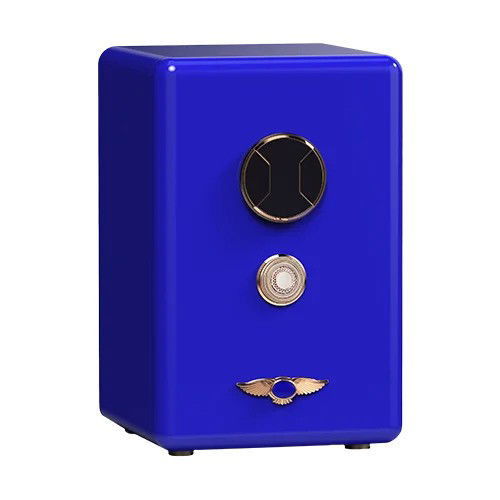
The Future of Fortification: Deconstructing the Motorized Locking System in Premium Digital Safes —

Security has always evolved alongside human innovation, and in the modern era, protection is no longer defined solely by thick steel walls or heavy mechanical bolts. The rise of premium digital safes marks a decisive shift toward intelligent fortification, where electronics, software, and precision engineering work together to safeguard valuables. At the heart of this evolution lies the motorized locking system, a core technology that redefines how a safe functions, responds, and protects in an increasingly digital world. Traditional safes relied on manual mechanisms such as rotary dials, levers, and spring-loaded bolts. While effective in their time, these systems were limited by human operation, wear and tear, and predictable mechanical behavior. Motorized locking systems replace manual force with controlled electromechanical motion, enabling a new level of accuracy, consistency, and security. In premium digital safes, this transformation is not cosmetic; it fundamentally changes how access is managed and how threats are mitigated. A motorized locking system operates through a combination of electronic authentication, microcontrollers, and electric motors. Once the user is verified through a pin code, biometric scan, or multi-factor authentication, a signal is sent to the motor, which precisely drives the locking bolts into or out of position. This process eliminates reliance on physical turning or manual alignment, reducing user error and ensuring consistent locking performance every t ime the safe is engaged. One of the most significant advantages of motorized locking is precision control. The motor moves bolts with calibrated force and exact positioning, ensuring full engagement with the safe body. This precision reduces vulnerabilities such as partially engaged locks, which can occur in manual systems. In high-end digital safes, multiple bolts may be synchronized to move simultaneously, distributing locking force evenly across the door and frame. This makes forced entry significantly more difficult and time-consuming. Motorized systems also enable advanced locking architectures that would be impractical with purely mechanical designs. For example, deadlocking mechanisms can automatically engage when tampering is detected, even if the safe is not actively being opened or closed. If sensors detect vibration, drilling, or unauthorized movement, the motor can drive additional bolts into place, effectively sealing the safe against attack. This dynamic response represents a major leap from passive security to active defense. Integration with electronic authentication methods is another defining feature. Motorized locking systems are designed to work seamlessly with digital interfaces such as touchscreens, fingerprint readers, and facial recognition modules. Once authentication is confirmed, the motor executes the unlocking sequence instantly and smoothly. This integration allows for complex access logic, including time-based access, multiple user profiles, and audit trails, all while maintaining the physical integrity of the safe. Reliability is a critical concern in any electronic security system, and premium digital safe address this through redundancy and fail-safe design. Motorized locks are typically paired with high-quality gear assemblies and low-friction components to ensure long service life. In the event of power loss, backup batteries or emergency power interfaces allow continued operation. Some designs include mechanical override systems that can disengage the motor under controlled conditions, ensuring access without compromising security. Become a member Another key aspect of motorized locking systems is resistance to manipulation. Traditional mechanical locks can sometimes be compromised through techniques such as lock picking or decoding. Motorized systems reduce these risks by eliminating predictable mechanical feedback. Since the locking action is controlled electronically and executed internally, there is no tactile response for an attacker to exploit. This makes unauthorized access attempts more complex and less likely to succeed. Noise and motion control are also carefully engineered in premium safes. High-quality motorized locks operate quietly and smoothly, avoiding sudden movements that could signal unlocking or cause mechanical stress. Controlled acceleration and deceleration of the motor reduce wear on internal components, contributing to long-term reliability. This level of refinement reflects the broader positioning of premium safes as both security devices and sophisticated household or commercial fixtures. From a design perspective, motorized locking systems allow greater flexibility in safe construction. Because the locking action does not rely on large manual levers or rotational clearances, internal layouts can be optimized for storage efficiency. Designers can incorporate thicker walls, layered composite materials, and reinforced frames without sacrificing usability. The result is a safe that balances strength, aesthetics, and convenience. The role of software cannot be overlooked in this evolution. Motorized locking systems are governed by firmware that defines how the safe responds to inputs, errors, and threats. Software enables features such as automatic relocking, lockout after repeated failed attempts, and integration with alarm systems. Regular firmware updates can enhance security over time, addressing emerging threats without requiring hardware replacement. This adaptability is a defining characteristic of next-generation safes. Motorized locks also support connectivity and smart features. In connected safes, the locking system can communicate status information to external devices or management platforms. Users may receive alerts when the safe is opened, locked, or tampered with. For commercial or institutional use, this data supports compliance, accountability, and risk management. The motorized lock becomes not just a physical barrier, but a data-enabled security component. Energy efficiency is another consideration shaping modern designs. Advances in motor technology and power management allow motorized locks to operate with minimal energy consumption. The motor is active only during locking and unlocking, remaining dormant the rest of the time. Combined with efficient electronics, this ensures long battery life and reduces maintenance requirements, an important factor for both residential and professional users. As threats evolve, so too must defensive technologies. Motorized locking systems provide a platform for continuous innovation in safe design. Future developments may include adaptive locking behavior, where the system adjusts bolt engagement based on detected risk levels, or deeper integration with building security ecosystems. The core principle remains the same: precise, intelligent control over access and resistance. In conclusion, the motorized locking system represents the future of fortification in premium digital safes. By replacing manual mechanics with controlled electromechanical action, these systems deliver higher precision, stronger resistance to attack, and seamless integration with modern authentication and monitoring technologies. A safe equipped with a motorized lock is no longer just a storage box; it is an intelligent security system designed for a world where protection must be proactive, adaptable, and uncompromising. As technology continues to advance, motorized locking will remain a cornerstone of secure design, defining the next generation of high-security solutions. Pop over here : ** censored link **

Read more
The Future of Fortification: Deconstructing the Motorized Locking System in Premium Digital Safes —
TapFluencer
undefined profile icon
Write a reply

Content is King: How Strategic Website Copywriting Drives Traffic and Sales — Logo Design Singapore

Businesses fight fiercely for online visibility, customer attention, and brand loyalty. Among all the elements that contribute to a successful online presence — design, functionality, branding, and marketing — one factor consistently stands out as the most powerful driver of results: content. The phrase “Content is King” is more than just a buzzword; it’s a truth that underscores how words, tone, and messaging can directly influence traffic, engagement, and sales. This article explores how strategic website copywriting becomes the backbone of digital success, why businesses should treat it as a cornerstone of their online strategy, and how it elevates every part of the customer journey. The Role of Website Copywriting in the Digital Era Website copywriting is more than putting words on a screen. It is the strategic use of language to communicate value, establish trust, and motivate users to take specific actions. Whether it is drawing in new visitors from search engines, nurturing their interest with persuasive messaging, or guiding them to conversion points, copywriting acts as the connective tissue between business goals and customer intent. The modern consumer no longer tolerates vague, generic messaging. They want clarity, transparency, and answers to their needs. Strategic website copywriting ensures that these expectations are not only met but exceeded, paving the way for stronger customer connections and repeat engagement. Why Content is the Foundation of Traffic Traffic is the lifeblood of any website. No matter how sleek the design or innovative the technology, without visitors, a site serves little purpose. Strategic copywriting fuels traffic in two critical ways: Search Engine Optimization (SEO) Search engines analyze web content to determine relevance and authority. Well-written, keyword-optimized copy signals to search engines that a website provides real value, improving its rankings. This boosts organic traffic — the most sustainable and cost-effective channel for attracting visitors. User-Centered Messaging When copy directly addresses the pain points and aspirations of potential customers, it resonates on a deeper level. This resonance keeps visitors on the site longer, reduces bounce rates, and creates signals of value for search algorithms. Without quality content, even the best optimization efforts or advertising campaigns will fall f lat. The ability of copywriting to blend technical SEO requirements with emotional resonance makes it indispensable. Converting Visitors into Customers Driving traffic is only half the battle. The ultimate goal of a website is to turn visitors into leads or customers. This is where copywriting demonstrates its true power. Strategic copywriting is designed with conversion in mind. It guides the reader on a carefully structured journey, from initial awareness to action. Clear headlines grab attention, concise yet persuasive body copy sustains interest, and compelling calls-to-action push readers toward decision-making. Well-crafted copy does not feel forced. Instead, it anticipates objections, addresses them with authority, and builds trust at every stage. This subtle persuasion turns casual browsers into loyal buyers. Content as a Brand Voice Amplifier Every business has a story to tell, a unique value proposition, and a vision for its audience. But without clear messaging, these elements remain hidden. Strategic website copywriting acts as the amplifier of brand voice, ensuring that every word reflects the identity of the company. Consistency in tone and language reinforces credibility. When users visit a site, they should instantly understand the personality of the brand — whether it is professional, approachable, innovative, or authoritative. A skilled website designer Singapore may create the visual framework, but copywriting breathes life into it, allowing the brand to engage customers on both a rational and emotional level. The Psychology Behind Words At the heart of copywriting lies psychology. Words trigger emotions, influence perceptions, and inspire actions. Strategic website copywriting draws on principles of human behavior to maximize impact. Clarity Reduces Friction: Visitors should instantly grasp what a business offers without confusion. Authority Builds Trust: Confident, factual language positions a brand as reliable and credible. Emotion Drives Action: Words that evoke excitement, relief, or security push readers to engage. By understanding how different audiences think and feel, copywriters craft content that aligns with user intent and subtly guides them toward desired outcomes. Enhancing User Experience Through Copy User experience (UX) is often associated with visuals and navigation, but copywriting plays a crucial role in shaping it. Clear, concise, and engaging content ensures that users find what they need without unnecessary effort. From homepage headlines to product descriptions and contact page prompts, every word contributes to the overall journey. Poorly structured or confusing content disrupts this journey, while strategic copywriting creates seamless pathways that make browsing intuitive and enjoyable. This synergy between UX and copywriting strengthens retention and boosts conversion rates. It ensures that every visitor not only stays longer but also leaves with a positive impression. The Sales Funnel Powered by Content Every website is essentially a digital sales funnel, guiding users from discovery to decision. Strategic copywriting ensures that each stage of the funnel is addressed with the right message: Awareness: Informative, keyword-optimized content introduces the brand to new visitors. Consideration: Persuasive messaging highlights benefits and builds trust. Decision: Strong calls-to-action encourage immediate steps such as signing up, purchasing, or contacting the business. By mapping copywriting to each stage of the funnel, businesses maximize their chances of conversion while delivering value at every interaction. Content as a Long-Term Asset Unlike paid advertising campaigns that disappear once budgets run out, strategic copywriting builds long-term value. High-quality content continues to attract visitors, generate leads, and influence purchasing decisions long after it is published. This compounding effect means that businesses investing in strong copywriting today are essentially planting seeds for future growth. Every blog post, landing page, and product description becomes part of a growing ecosystem that supports sustainable online success. Why Businesses Cannot Ignore Strategic Copywriting In today’s digital-first economy, ignoring content strategy is equivalent to ignoring customers. Strategic website copywriting does not simply fill space — it sets the foundation for visibility, trust, and conversions. Businesses that fail to prioritize it often struggle with: Low search engine rankings Poor engagement metrics High bounce rates Limited customer loyalty On the other hand, those that integrate copywriting into their core digital strategy enjoy measurable growth, stronger connections, and lasting competitive advantages. The Future of Website Copywriting As technology evolves, so does the role of content. AI-driven insights, personalization, and voice search optimization are shaping the future of website copywriting. Yet, the essence remains unchanged: words must resonate with humans first. No matter how sophisticated tools become, the emotional and psychological impact of well crafted copy will always set successful businesses apart. For this reason, companies must continue to treat content as their most valuable digital asset. The phrase “Content is King” endures because it captures a universal truth: without compelling, strategic messaging, no website can achieve its full potential. Design may catch the eye, functionality may impress, but it is content that convinces, converts, and creates lasting connections. Strategic website copywriting drives traffic by improving visibility and relevance while simultaneously turning that traffic into tangible results through persuasive, human-centered messaging. It shapes brand identity, enhances user experience, and builds long-term value that no other marketing investment can match. For businesses serious about digital growth, content cannot be treated as an afterthought. It must be viewed as the heart of the online strategy. The right words, placed in the right context, make all the difference between a website that simply exists and one that thrives. And while a skilled website designer Singapore may lay the foundation of digital presence, it is powerful content that rules as king — driving traffic, sales, and success. Pop over here : https://www.logodesignsingapore.sg/

Read more
Content is King: How Strategic Website Copywriting Drives Traffic and Sales — Logo Design Singapore
TapFluencer
undefined profile icon
Write a reply

Behind the Code: A Look at a Freelance Web Designer’s 4-Step Process — Logo Design Singapore

Websites are more than just an online presence — they are brand ambassadors, sales channels, and customer touchpoints. Behind every intuitive interface and functional design lies the structured work of a freelance web designer. Unlike larger agencies, a freelancer often wears multiple hats, balancing creativity, technical know-how, and client management. To understand how these professionals bring ideas to life, it helps to break down the process into four core steps. This article explores those steps in detail, offering insights into the journey a freelance web designer takes from concept to completion. Step 1: Discovery and Planning Every successful project begins with understanding the client’s needs. This stage is about discovery — identifying the purpose of the website, its target audience, and the goals it must achieve. A website designer Singapore working independently must also consider technical constraints and project timelines, ensuring realistic expectations from the outset. Key Activities in This Stage: Requirement Gathering — The designer collects information about the client’s brand, goals, and vision. This includes details on desired features, design preferences, and budgetary guidelines. Research — Understanding market trends and user expectations helps shape the creative direction of the project. The designer studies industry norms while considering what makes the client’s business unique. Defining Scope — A clear project scope prevents misunderstandings later. It outlines deliverables, functionality, and timelines, serving as a mutual agreement between client and designer. Sitemap and Wireframe Creation — A simple visual map helps illustrate how pages will be structured, ensuring the flow is intuitive before detailed design begins. At this stage, communication is critical. By asking the right questions and setting clear expectations, the freelance professional lays the groundwork for smooth collaboration. Step 2: Design and Creativity Once the planning is complete, the focus shifts to design. This is where strategy transforms into visual identity. A freelance web designer often approaches this step with creativity balanced by usability. The goal is not only to make the site aesthetically pleasing but also functional and aligned with user behavior. Elements Considered in Design: Visual Hierarchy — Arranging elements in a way that guides visitors’ attention naturally, highlighting key messages or actions. Typography and Colors — Choosing fonts and palettes that match the client’s brand while ensuring readability and accessibility. User Experience (UX) — Considering how visitors navigate through the site, ensuring minimal friction from landing to conversion. Responsive Layouts — Ensuring designs work seamlessly across desktops, tablets, and mobile devices. During this stage, the designer may create high-fidelity mockups to present to the client, refining them based on feedback. Collaboration is central to success here, as it ensures the design not only meets technical standards but also resonates with the client’s vision. Step 3: Development and Coding Once the design receives approval, the project moves into development. This stage is where creativity meets functionality. The designer now transforms visual mockups into a working website using coding languages and content management systems. Core Aspects of Development: Front-End Development — This involves coding the user interface, focusing on what visitors see and interact with directly. HTML, CSS, and JavaScript are commonly used to bring layouts, animations, and interactive features to life. Back-End Development — Here, the designer sets up the framework that powers the site behind the scenes. This could include managing databases, creating server-side logic, and ensuring secure functionality. Integration — Websites often need to connect with third-party tools, from payment gateways to analytics platforms. Smooth integration ensures the site operates as intended. Testing and Debugging — Before launch, thorough testing ensures that every feature works, links function properly, and performance is optimized across browsers and devices. A website designer in Singapore working independently must be meticulous in this stage, balancing speed with precision. Since they handle most tasks personally, attention to detail ensures that nothing is overlooked. Step 4: Launch and Ongoing Support With development complete and testing finalized, the site is ready for launch. But this is not the end of the process — it is the beginning of an ongoing relationship between client, users, and designer. Launch Activities: Final Review — The freelance designer conducts a comprehensive check, ensuring that all pages load quickly, visuals display correctly, and security protocols are in place. Deployment — The site is transferred to the live server, making it accessible to users worldwide. Monitoring — After launch, the designer observes performance, ensuring there are no unexpected issues with speed, responsiveness, or compatibility. Post-Launch Support: A crucial part of freelance work is ongoing support. This includes updating plugins, optimizing performance, and troubleshooting technical issues. Clients often rely on the same professional for continuous improvements, creating long-term relationships built on trust. Moreover, the freelance web designer may offer additional services such as search engine optimization (SEO), analytics reporting, and content updates. This ongoing care ensures the website remains functional, secure, and aligned with evolving business goals. Why the Process Matters Breaking down the work into these four steps ensures clarity and efficiency. For clients, it means understanding what to expect at each stage, reducing uncertainty. For the designer, it provides a roadmap that balances creativity with structure. The process also highlights how versatile a freelance professional must be. Unlike a large team where tasks are divided, a solo website designer handles multiple aspects, from strategy and design to coding and support. This versatility is what makes the role both challenging and rewarding. The Human Element Beyond technical expertise, the process reflects the human side of freelance work. A website designer must listen carefully to clients, manage expectations, and translate abstract ideas into concrete results. Clear communication, patience, and adaptability are as important as coding skills. Freelancers often thrive because they bring personal attention to each project. This one-on one connection fosters trust, allowing clients to feel heard and valued throughout the process. In a competitive digital landscape, such qualities can be just as impactful as technical ability. The Future of Freelance Web Design As technology evolves, so too does the process. New tools for automation, design collaboration, and content management are making workflows smoother and more efficient. Yet the core four-step framework — discovery, design, development, and launch — remains relevant because it mirrors how ideas naturally evolve into finished products. For businesses seeking a strong online presence, working with a freelance web designer offers the advantage of agility and direct communication. By understanding the process, clients can better collaborate with designers, ensuring projects are delivered successfully and efficiently. Behind every well-crafted website lies a carefully executed process. For a freelance web designer, the journey unfolds across four structured steps: discovery and planning, design and creativity, development and coding, and launch with ongoing support. Each stage contributes to the final result, ensuring the website is not only visually appealing but also functional, secure, and aligned with client goals. More importantly, the process showcases the adaptability and dedication required of an independent professional. In a world where digital presence is vital, recognizing the value of this process helps businesses and individuals make informed decisions when seeking design services. A structured approach transforms ideas into results, and behind the code, it is the process itself that ensures success. Pop over here : ****

Read more
Behind the Code: A Look at a Freelance Web Designer’s 4-Step Process — Logo Design Singapore
TapFluencer
undefined profile icon
Write a reply

The New Energy Generation (NEG): How Singapore’s commitment to sustainable development is driving de

The global transition toward sustainability has given rise to what many now describe as the New Energy Generation (NEG). This transformation is defined by the convergence of electrification, decentralised energy storage, digital energy management, and stricter regulatory oversight. At its core, NEG represents a shift away from centralised, fossil fuel dependent systems toward cleaner, smarter, and more resilient energy ecosystems. As sustainability commitments deepen across industries and communities, demand is rapidly increasing for locally compliant electric vehicle infrastructure and energy storage systems that can safely, efficiently, and reliably operate within dense urban and commercial environments. One of the most visible drivers of NEG is the accelerating electrification of transport. Electric vehicles are no longer niche products; they are becoming mainstream assets for households, businesses, and fleets. This shift naturally drives demand for reliable Singapore EV Charger infrastructure that can support daily use, peak demand, and future scalability. However, charging infrastructure is not merely about installing hardware. It requires careful integration with existing electrical systems, compliance with safety and grid requirements, and the ability to manage loads intelligently to avoid network strain. These factors elevate the importance of locally compliant solutions designed for real-world operating conditions. Energy Storage Systems (ESS) are equally central to the NEG framework. Batteries and other storage technologies address one of the most critical challenges of renewable energy: variability. By storing excess energy and releasing it when demand rises or supply drops, ESS improves grid stability, enhances energy security, and maximises the value of clean generation. As sustainability targets encourage greater adoption of renewables and electrified transport, ESS becomes a foundational component rather than an optional add on. Demand is therefore growing for systems that meet local electrical, fire safety, and performance standards while fitting within space and operational constraints. Regulatory compliance plays a defining role in shaping NEG solutions. Authorities across regions impose detailed technical requirements governing electrical protection, thermal management, fire suppression, and system monitoring. These rules are particularly strict in high-density or mixed-use environments, where system failure could have widespread consequences. Locally compliant ESS and EV Charger solutions are designed with these realities in mind, incorporating conservative safety margins, certified components, and extensive testing protocols. Compliance is no longer viewed as a hurdle, but as a market differentiator that signals reliability and long-term viability. Beyond safety, grid compatibility is a major consideration. Modern energy systems are increasingly interactive, with two-way power flows, real-time data exchange, and dynamic pricing. EV chargers and storage systems must communicate effectively with building management systems, energy management platforms, and utility networks. This interoperability enables load balancing, demand response, and peak shaving, all of which are critical to maintaining grid stability as electrification scales. Locally compliant solutions are typically designed to align with regional grid codes and communication standards, reducing integration risks for asset owners. Commercial and industrial users are among the earliest adopters of NEG technologies because the economic case is often compelling. Electricity costs, demand charges, and sustainability reporting requirements create strong incentives to invest in ESS and smart charging. By pairing EV charging infrastructure with on-site storage and intelligent control software, organisations can optimise energy use, reduce operating expenses, and improve resilience against outages. In this context, an EV Charger becomes part of a broader energy strategy rather than a standalone amenity. Become a member Residential adoption is also increasing, though it presents different challenges. Shared infrastructure, limited electrical capacity, and diverse user needs require thoughtful planning and governance. Locally compliant systems are particularly important in these settings because they address fire safety, user access control, and long-term maintenance responsibilities. Scalable designs allow infrastructure to grow alongside demand, preventing costly retrofits and ensuring equitable access as more users adopt electric vehicles. The NEG transition is also reshaping business models. Traditional equipment sales are giving way to service-based approaches such as energy-as-a-service, charging-as-a-service, and performance-based contracts. These models lower upfront costs and transfer technical complexity to specialised providers. For end users, this means predictable pricing, guaranteed performance, and compliance managed by experts. For providers, it creates long-term revenue streams and incentives to design durable, efficient systems that perform well over their lifecycle. Workforce capability is another critical factor. As energy systems become more sophisticated, there is growing demand for skilled professionals who understand power electronics, battery technology, software platforms, and regulatory frameworks. Training, certification, and continuous professional development ensure that installations are performed correctly and maintained safely. Locally compliant solutions often come bundled with documentation, training support, and service networks that help build confidence among regulators, insurers, and end users. Sustainability considerations extend beyond operational emissions to include full lifecycle impacts. Decision-makers are increasingly attentive to how batteries are manufactured, how charging equipment is sourced, and what happens at end of life. Circular economy principles such as reuse, refurbishment, and recycling are becoming integral to NEG strategies. Energy storage batteries may find second-life applications, while EV Charger in Singapore components are designed for easier disassembly and material recovery. These practices reduce environmental impact while improving supply chain resilience. Digitalisation underpins much of the value created by NEG. Advanced monitoring, data analytics, and artificial intelligence enable predictive maintenance, performance optimisation, and energy forecasting. Software platforms can coordinate multiple chargers and storage assets, responding in real time to price signals and demand patterns. This intelligence transforms physical infrastructure into flexible energy assets that support both user needs and broader system stability. Locally compliant digital solutions ensure data security, reliability, and alignment with regulatory expectations. Ultimately, the New Energy Generation is not defined by any single technology, but by the integration of systems, standards, and strategies that support sustainable development goals. The rising demand for compliant EV charging and energy storage reflects a broader recognition that clean energy solutions must be safe, reliable, and context-aware to succeed at scale. By prioritising local compliance, stakeholders reduce risk, accelerate adoption, and build trust in technologies that will form the backbone of future energy systems. As commitments to sustainability continue to strengthen, the momentum behind NEG will only increase. Organisations that invest early in compliant, interoperable Singapore EV Charger and ESS solutions position themselves to benefit from operational efficiencies, regulatory alignment, and reputational advantages. More importantly, they contribute to the creation of resilient energy ecosystems capable of supporting long-term environmental and economic objectives. In this way, the New Energy Generation represents both a technological evolution and a strategic shift in how energy is planned, delivered, and valued across modern societies. Pop over here : ** censored link **

Read more
The New Energy Generation (NEG): How Singapore’s commitment to sustainable development is driving de
TapFluencer
undefined profile icon
Write a reply

The Complete Guide to Pairing Digital Locks with HDB Fire Rated Doors — My Digital lock

Homeowners are increasingly looking for ways to blend security, convenience, and aesthetics in their homes. Among the many upgrades made to modern HDB flats, two features have stood out — the digital lock and the fire rated main door. While both are crucial for safety and style, pairing them correctly requires careful consideration of installation methods, compatibility, and compliance with HDB regulations. This complete guide explores everything you need to know about integrating digital locks with fire rated doors in HDB homes — from understanding specifications to choosing compatible models like EPIC or Lenovo digital locks. 1.Understanding Fire Rated Main Doors for HDB Flats Before discussing digital locks, it’s essential to understand what a fire rated door is and why it’s vital. A fire rated door is specially designed to resist the spread of fire and smoke for a specific period — usually 30 or 60 minutes in Singapore — allowing residents more time to escape and minimizing property damage. In HDB flats, the main door serves as a critical fire barrier between your home and the common corridor. Therefore, if you replace or modify this door, you must ensure that both the door and frame comply with the SCDF (Singapore Civil Defence Force) fire safety standards. Fire rated doors come with a certification label indicating the duration of resistance and the manufacturer’s details. These doors are generally constructed using solid core materials, such as engineered wood, metal sheets, or composite layers, which significantly influence how digital locks are installed. 2.Why Pair a Digital Lock with a Fire Rated Main Door? The combination of a fire rated main door and a digital lock represents the ideal balance between safety and convenience. Enhanced Security: Digital locks eliminate the need for traditional keys, reducing the risk of lock picking or duplication. Smart Access Control: Many models allow entry through PIN codes, fingerprints, RFID cards, or mobile apps, offering flexibility for families. Fire Safety Compliance: When installed correctly on a certified fire rated door, a digital lock can maintain the door’s fire resistance integrity. Modern Aesthetic: The sleek designs of digital locks complement the premium finishes of HDB fire rated main doors, creating a polished entryway. However, not all locks are suitable for fire rated doors — and this is where compatibility and proper installation become essential. 3.Installation Challenges: Thickness, Material, and Structure Installing a digital lock on a fire rated main door is more complex than on a standard wooden door. The fire-rated design introduces specific challenges that homeowners and installers must address to maintain safety compliance. a) Door Thickness Fire rated doors are usually thicker than regular doors, with an average thickness of 45mm to 50mm. This extra thickness helps resist heat transfer but can pose challenges when installing locks designed for standard 35mm doors. When selecting a digital lock, ensure the model supports thicker doors. Reputable models like EPIC, Lenovo, or Samsung often specify door thickness ranges on their technical datasheets. Always confirm this before purchase. b) Door Material Fire rated doors are made from solid cores, sometimes reinforced with metal sheets or mineral boards. These materials make drilling and fitting more difficult. Specialized tools and precision are required to prevent damage to the door’s internal structure or voiding the certification. Improper installation, such as over-drilling or removing too much core material, can compromise the fire resistance rating. Hence, it’s strongly recommended to engage HDB approved installers familiar with fire rated structures. c) Fire Certification Integrity When installing a digital lock, any modification must not affect the fire certification of the door. The installer must ensure the lock model itself is fire-rated tested or has been used successfully in similar certified setups. This is why professional installation is essential — unauthorized modifications could void the door’s SCDF approval. 4.Compatibility: Choosing the Right Digital Lock Models Not all digital locks are designed to withstand high heat or integrate seamlessly with fire rated main doors. Compatibility involves ensuring the lock’s design, dimensions, and materials align with the door’s fire protection standards. Here are two popular models that are highly compatible with HDB fire rated main doors: a) EPIC Digital Locks EPIC is a trusted brand in Singapore known for its fire-rated certified digital lock models. Fire-Resistant Certification: Certain EPIC locks have been tested to withstand heat exposure for up to 60 minutes, aligning with common HDB fire door standards. Become a member Multiple Access Modes: Fingerprint, PIN code, RFID, and mobile app access are available, offering security with flexibility. Anti-Tamper Alarm: Built-in sensors detect forced entry or high heat exposure, automatically triggering an alarm. Slim Profile: EPIC locks feature a sleek, minimalistic design that complements the clean lines of modern fire rated main doors without requiring deep drilling. EPIC models such as the EPIC 5G Pro and EPIC Popscan are frequently recommended for HDB installations due to their reliable performance and certified fire resistance. b) Lenovo Digital Locks Lenovo, known for its innovation in smart home technology, has expanded into the digital lock market with HDB-compliant and fire-rated models. Durable Construction: Built with fire-resistant alloys, Lenovo locks maintain function and structure even under extreme heat. Smart Connectivity: These locks often integrate with Wi-Fi or Bluetooth, allowing remote access and visitor management. Easy Retrofitting: Lenovo’s digital locks are designed for simple installation on existing fire rated main doors, minimizing alterations that could affect the fire rating. Other brands, such as Samsung, Kaadas, and Philips, also offer fire-rated models suitable for HDB settings. However, always ensure that your chosen lock has been certified for use with f ire rated doors in Singapore. 5.Professional Installation: Why It Matters Even the best digital lock can fail if installed incorrectly. For fire rated main doors, installation is not a DIY task — it must be handled by a qualified, experienced installer who understands the balance between structural integrity and fire safety compliance. Here’s why professional installation is essential: Certification Retention: A professional ensures no unauthorized modifications are made to the door’s core, keeping its certification valid. Proper Alignment: Incorrect alignment between the lock and strike plate can compromise both locking performance and fire resistance. Cable & Battery Safety: Digital locks powered by batteries must be installed without exposing wires or compromising insulation materials that resist heat. Warranty Protection: Manufacturers often require professional installation to honor warranty claims. A reputable installer will also provide documentation confirming that the installation complies with SCDF and HDB regulations, giving homeowners peace of mind. 6.Maintenance and Safety Tips Pairing a digital lock with a fire rated main door doesn’t end with installation — ongoing maintenance ensures both continue to function safely and effectively. Check Battery Levels Regularly: Most digital locks feature a low-battery warning. Replace batteries promptly to prevent lockouts. Inspect the Door Seal: Fire rated doors often include an intumescent strip that expands during a fire. Ensure it remains intact and free from obstruction. Avoid Unauthorized Drilling: If you wish to upgrade or reposition the lock, consult a certified installer to prevent voiding the door’s fire rating. Test Access Methods: Regularly test fingerprint or PIN entry systems to ensure quick access during emergencies. Schedule Annual Servicing: Have your digital lock and door inspected annually to confirm both comply with current fire safety standards. 7.Balancing Smart Convenience with Fire Safety While digital locks enhance everyday convenience, the ultimate goal of combining them with a fire rated main door is safety without compromise. A good installation maintains the door’s fire integrity while offering modern security functions such as remote access, one touch locking, and user management. Always verify that both the lock and the installer meet Singapore’s fire safety and HDB requirements. Remember: even a high-end lock can jeopardize your home’s safety certification if installed improperly. 8.Conclusion Pairing a digital lock with an HDB fire rated main door is a smart and forward-thinking choice for Singapore homeowners who value both convenience and safety. With trusted brands like EPIC and Lenovo, you can enjoy cutting-edge smart access solutions designed to work seamlessly with fire rated structures. By understanding installation challenges, verifying compatibility, and engaging certified professionals, you ensure that your home remains protected — not just from intruders but also from fire hazards. A well-matched digital lock and fire rated door in Singapore create the perfect blend of modern functionality, safety assurance, and aesthetic harmony for any HDB home. Pop over here : ** censored link ** #digitallock #HDBfireratedmaindoor

Read more

TapFluencer
undefined profile icon
Write a reply

Why SEO Matters for Web Designers — Subraa

SEO (Search Engine Optimization) is crucial for the success of any website. As a freelance web designer Singapore, it’s no longer enough to create visually appealing websites — clients expect their websites to be functional, user-friendly, and easily discoverable on search engines. Integrating SEO into web design not only enhances the site’s visibility but also adds significant value to your services, helping you stand out in a crowded marketplace. Why SEO Matters for Web Designers SEO plays a critical role in driving organic traffic to a website. It determines how high a website ranks in search engine results pages (SERPs), which is essential for businesses that rely on online visibility to attract customers. A well-designed website that is not optimized for search engines may look great, but it won’t help the business if potential clients can’t find it. As a web designer Singapore, you have the unique opportunity to implement SEO best practices during the development process, ensuring that the foundation of the site is optimized from the start. This integration of SEO and web design can significantly improve user experience (UX), increase website traffic, and boost client satisfaction. How Freelance Web Designers Can Optimize Websites for SEO Responsive Design A responsive website is one that works seamlessly across all devices — desktops, tablets, and smartphones. Search engines like Google prioritize mobile-friendly websites, so ensuring that your client’s site is responsive will improve its rankings. As a freelance web designer in Singapore, make sure to test your designs on different devices and screen sizes to ensure a consistent user experience. Site Speed Optimization Become a member Page load speed is a major factor in SEO rankings. Websites that take too long to load are penalized by search engines, leading to lower rankings. As a freelance web designer Singapore, you can optimize images, enable browser caching, and minimize CSS and JavaScript to improve site speed, giving your clients an SEO edge. Structured Data and Meta Tags Integrating SEO elements like meta titles, meta descriptions, and structured data into your design ensures that search engines can easily crawl and index the site’s content. These tags help search engines understand what the website is about, making it more likely to rank for relevant search terms. URL Structure and Navigation Clean, SEO-friendly URLs are important for both users and search engines. Ensure that the URLs are simple, descriptive, and include relevant keywords. Additionally, a well-structured navigation system allows both users and search engines to easily find content on the site, improving SEO rankings. Content Optimization While web designers often focus on aesthetics, content is just as important for SEO. As a freelance web designer Singapore, collaborating with your clients to ensure that their website includes keyword-rich, high-quality content can significantly improve their search rankings. The Value of SEO for Freelance Web Designers By understanding and implementing SEO best practices, freelance web designers Singapore can offer a more comprehensive service package, increasing the value they bring to clients. Not only does SEO optimization improve the performance of the websites you design, but it also positions you as a knowledgeable and versatile professional in the competitive field of web design. Incorporating SEO into your web design services can lead to better client outcomes, longterm partnerships, and more referrals, making it a win-win for both you and your clients Pop over here : ** censored link **

Read more
TapFluencer
undefined profile icon
Write a reply

Strategic Angle: Educates clients on the principles of modern logo design and the importance of a pr

Businesses operate in an environment where first impressions are shaped in seconds. A brand is no longer judged only by what it sells but by how it presents itself visually, verbally, and emotionally. At the centre of this visual identity lies one core element — the logo. While many business owners understand that a logo is important, fewer truly grasp the strategic thinking and design principles behind an effective one. Modern branding demands more than a simple symbol; it requires a thoughtful, strategic approach rooted in clarity, adaptability, and brand alignment. This is where the strategic angle becomes essential, particularly when educating clients about how modern company logo design plays an integral role in shaping perception and building long-term trust. A logo is not merely artwork. It is the face of the brand, a visual signature that communicates the company’s values, tone, and market positioning. Unfortunately, many clients approach logo development as a quick task or a decorative touch instead of treating it as a strategic investment. Educating clients on this mindset shift is crucial because a professional look has a measurable impact on credibility and customer confidence. Without a clear understanding of modern design principles, brands often end up with logos that limit their growth, dilute their message, or weaken their competitive edge. Understanding Modern Logo Design Principles Modern logo design is defined by clarity, versatility, reduction of unnecessary elements, and meaning-driven structure. These principles are shaped by evolving consumer behaviour, digital consumption patterns, and changes in how brands interact with audiences across multiple platforms. The first principle is simplicity. Modern design embraces minimal forms because they deliver messages clearly and instantly. A simple logo creates stronger recall, loads faster on digital platforms, scales cleanly on all surfaces, and communicates with confidence. This simplicity, however, is never random or plain. It is refined with intention, ensuring every line, curve, or shape supports the brand’s purpose. The second key principle is relevance. A modern logo must align with the brand’s identity, target audience, and value proposition. It must reflect what the business stands for while supporting its long-term vision. Relevance prevents misalignment between the logo and the brand’s core message, ensuring that visual identity and business strategy move in the same direction. The third principle is versatility, which is more important than ever in a digital-first world. A logo today appears on countless touchpoints — websites, social media, mobile screens, print materials, packaging, merchandise, and even motion graphics. A versatile logo must maintain clarity and recognisability across all formats. This requires adaptability in shape, proportion, and colour structure to ensure consistent performance whether displayed on a small digital icon or enlarged for large-format branding. Another essential principle is timelessness. Modern logos should be built for long-term relevance rather than short-lived trends. A timeless logo allows a brand to evolve without the need for constant redesigns that disrupt customer familiarity. This characteristic builds trust and reinforces the stability of the brand over time. Lastly, modern logos must embrace strategic differentiation. In saturated markets, standing out is not optional — it is necessary. Differentiation ensures the brand remains distinct, recognisable, and memorable. It supports positioning and enhances the brand’s competitive advantage. Why Clients Need Education in Modern Logo Design Thinking One of the biggest challenges designers face is the gap between client expectations and true design strategy. Many clients approach logo designing with assumptions that may come from personal preferences, outdated design concepts, or misconceptions about how branding works. Educating clients helps bridge this gap and leads to better decisions that protect the brand for years to come. Education is necessary because clients often underestimate the role of strategic thinking in the design process. They may view the logo as a small part of the brand, but in reality, it influences every visual and communication decision that follows. A strong foundation in logo design helps shape typography, colour psychology, brand messaging, tone of voice, marketing strategy, and user experience optimisation. By teaching clients the principles behind modern design, designers help them appreciate the balance between aesthetics and function. Clients begin to understand why simplicity matters, why space is valuable, why consistency builds recognition, and why professionalism directly influences customer perception. Moreover, education empowers clients to see logo design not as a subjective exercise but as a data-informed process grounded in psychology, strategy, and brand science. This understanding eliminates unnecessary revisions, streamlines approval processes, and results in identities that deliver long-term value. The Importance of a Professional Look in a Competitive Market A professional logo is more than visually appealing — it signals credibility, authority, and stability. Consumers make fast judgments, often relying on visual cues to determine whether they should trust a brand. A professionally created logo positions the company as reliable and competent, setting the tone for customer interactions and strengthening brand reputation. Become a member A professional look also improves brand consistency. Consistency is the foundation of brand recognition, allowing customers to associate the visual identity with quality and dependability. When a logo is professionally structured, every future design asset — from website layouts to social media visuals — becomes easier to maintain in alignment with brand guidelines. This reduces confusion, avoids mixed messaging, and reinforces a unified presence across all customer touchpoints. In addition, a professionally designed logo influences internal perception. Employees take pride in the brand they represent, and a strong visual identity reinforces company culture and employee confidence. This internal alignment contributes to stronger communication, more cohesive marketing, and better performance. Strategic Logo Design as a Long-Term Business Asset A logo is not just an aesthetic investment — it is a long-term business asset that supports growth. Best company logo design builds equity over time as customers recognize, trust, and associate the symbol with positive experiences. This long-term equity influences multiple areas of business: Brand awareness, ensuring customers instantly recognise the brand Customer loyalty, strengthening emotional connections Perceived value, enabling premium positioning Marketing efficiency, reducing the effort required for message delivery Expansion readiness, allowing seamless growth into new services or markets When clients understand the long-term impact, they begin to value strategy over personal preference and consistency over trend-following. They make decisions based on what will benefit the brand ten years from now, not what simply appeals temporarily. Bringing Strategy and Design Together Design without strategy is decoration. Strategy without design is theory. When both are combined, a logo becomes a powerful communication tool that expresses the brand’s essence clearly and confidently. Educating clients on this integrated approach helps them understand why modern logo design is not simply about making something attractive. It is about creating a functional, scalable, and meaningful identity that performs effectively in a digital-first world. This approach ensures that every design element intentionally contributes to the brand’s goals, strengthens recognition, and supports consistent messaging. Conclusion A modern logo must be more than attractive — it must be strategic, functional, and aligned with brand purpose. Educating clients on the principles of company logo design services helps them appreciate the value of simplicity, relevance, versatility, timelessness, and differentiation. It shifts their perspective from seeing a logo as a decorative piece to viewing it as a long-term strategic asset. With a clear understanding of these principles, clients become better collaborators, more informed decision-makers, and stronger stewards of their brand’s identity. A professional look is not a luxury — it is a necessity in a world where visual impressions shape customer trust. When businesses invest in strategic, professional design, they position themselves for stronger growth, deeper recognition, and lasting impact. Pop over here : ** censored link **

Read more
Strategic Angle: Educates clients on the principles of modern logo design and the importance of a pr
VIP Member
undefined profile icon
Write a reply

The ROI of a Professional Logo: Why ‘Cheap’ Design Can Cost Your Business More in the Long Run — Log

A company logo design is far more than a decorative element — it is the cornerstone of brand identity, a visual representation of your business values, and a critical touchpoint for customers. While many businesses are tempted to cut corners by opting for low-cost or template-based logos, the long-term costs of these decisions often far outweigh the initial savings. Investing in a professional logo design is an investment in credibility, recognition, and ultimately, the financial health of your business. This article explores the true return on investment (ROI) of a professional logo, examining how a thoughtfully crafted design can drive customer trust, enhance brand perception, and support sustainable growth. It also explains why “cheap” logos often carry hidden costs that undermine business success. 1.The Strategic Role of a Company Logo Design A company logo design is the most visible element of a brand. It conveys your business’s essence, communicates your core values, and serves as an immediate identifier in a crowded market. Beyond aesthetics, a logo functions as a strategic asset that: Establishes brand recognition and recall. Signals professionalism and legitimacy to potential clients. Supports marketing efforts across multiple channels. Sets the tone for the brand experience and messaging. When a logo is professionally designed, every visual element — from color palette to typography, shape, and proportion — is chosen with intention, aligning with the company’s vision and target audience. The design process ensures that the logo is versatile, memorable, and capable of representing the brand consistently across print, digital, and physical touchpoints. Conversely, a low-cost or hastily produced logo may lack cohesion, fail to convey the intended message, or even appear untrustworthy. This misalignment can erode credibility, making it harder to attract and retain customers, and ultimately impacting revenue. 2.First Impressions Matter: The Psychological Impact of Design Consumers often form opinions about a business within seconds of encountering its visual identity. A professional logo can create a positive first impression by signaling quality, reliability, and attention to detail. This initial perception influences decisions such as whether to explore your products, engage with your services, or trust your business. Key psychological factors include: Color Psychology: Colors evoke emotions and can influence purchasing behavior. For example, blue may suggest trust and stability, while green signals growth and sustainability. Typography and Shape: Fonts and geometric forms convey different qualities — modern, traditional, playful, or serious. A professional logo leverages these elements to reinforce the brand’s personality. Simplicity and Memorability: A clean, uncluttered logo is easier to recognize and recall, increasing brand awareness over time. A poorly executed, “cheap” logo may fail to engage the audience or even convey negative associations, causing potential customers to question the legitimacy of the business. The ROI of a professional logo is evident in the credibility and trust it establishes from the very first impression. 3.Supporting Brand Consistency Across Touchpoints A logo design serves as the anchor of brand consistency. Every touchpoint — from business cards and signage to websites and social media profiles — relies on a coherent visual identity. Professional designers ensure that the logo works seamlessly across different mediums, sizes, and backgrounds, preserving clarity and impact. Brand consistency is crucial because: It enhances recognition by creating a unified visual experience. It reinforces brand messaging, helping customers connect emotionally with the business. It builds trust, as consistent visual identity signals professionalism and reliability. In contrast, logos created cheaply or without strategic guidance may appear distorted on certain platforms, fail to scale properly, or clash with other visual elements. This inconsistency weakens brand identity, making it harder to build a loyal customer base and undermining long-term growth. 4.Enhancing Marketing Effectiveness and ROI Marketing campaigns rely on strong visual branding to capture attention and communicate value. A professional company logo design improves the effectiveness of marketing materials by creating a visual anchor that reinforces brand recognition and credibility. Consider the impact of a well-designed logo on marketing efforts: Digital Marketing: A logo that maintains clarity and appeal on mobile devices, social media, and websites enhances engagement and brand recall. Print Marketing: Proper design ensures legibility, color accuracy, and visual harmony in brochures, posters, and packaging. Advertising Campaigns: A recognizable logo strengthens campaigns by providing a consistent symbol that audiences can associate with your message. Poorly designed logos can compromise marketing ROI by diminishing visual impact, confusing customers, or requiring frequent revisions to fit different channels. Investing in professional design reduces these costs and maximizes the effectiveness of marketing initiatives over time. 5.Building Long-Term Brand Equity A strong logo design services contributes directly to brand equity — the intangible value associated with customer perception, loyalty, and recognition. Brand equity has a measurable impact on business success, affecting pricing power, market positioning, and customer retention. Professional logos help build equity by: Establishing a recognizable symbol that differentiates the brand from competitors. Communicating quality and professionalism, which fosters loyalty. Serving as a foundation for expanding brand extensions, product lines, and partnerships. A cheap, unoriginal logo may fail to resonate with customers or could be easily forgotten or confused with other brands. This diminishes long-term brand equity, requiring additional investment in marketing to compensate for weak visual identity. 6.Avoiding Hidden Costs of “Cheap” Logos While opting for a low-cost logo may seem financially attractive initially, the hidden costs can be substantial: Rebranding Expenses: Businesses often need to redo poorly executed logos, incurring design, printing, and marketing costs. Lost Business Opportunities: A lack of professionalism in branding can drive potential clients to competitors, resulting in revenue loss. Reduced Market Perception: A cheap-looking logo can signal poor quality or lack of expertise, impacting trust and credibility. Legal Risks: Generic or improperly created logos may infringe on existing trademarks, leading to costly legal disputes. These hidden costs illustrate that initial savings on a logo can pale in comparison to the long term financial and reputational impact of an inadequate design. 7.Professional Design as a Strategic Investment Viewing a professional logo as a strategic investment rather than an expense reframes its value proposition. The benefits of quality design extend far beyond aesthetics, influencing revenue, operational efficiency, and market perception. Key advantages include: Scalability: A professionally designed logo adapts easily to future business expansions, new product lines, and global markets. Flexibility: Designers create variations for digital, print, and social media platforms, ensuring consistent presentation. Differentiation: A unique and thoughtful logo helps the business stand out in crowded markets, improving competitive positioning. Perceived Value: Customers associate professional visual identity with higher quality, which can support premium pricing and brand loyalty. By understanding the strategic role of a logo design, businesses can make informed decisions that generate measurable returns on their investment. 8.Measuring ROI of a Professional Logo While the impact of a logo may not always be immediately quantifiable, several metrics can demonstrate its ROI: Brand Recognition: Increased recall in surveys or social media impressions indicates stronger brand awareness. Customer Engagement: Higher click-through rates, inquiries, or sales conversions can be linked to enhanced visual branding. Customer Retention: A consistent, professional identity fosters loyalty and repeat business. Cost Savings: Reducing rebranding cycles, design revisions, and marketing corrections contributes to overall savings. When considered alongside the intangible benefits of trust, credibility, and perceived professionalism, a professional logo emerges as a powerful tool for long-term business growth. 9.Future-Proofing Your Brand Identity Markets evolve, trends change, and businesses grow. A professional company logo design ensures that the brand identity remains relevant, versatile, and resilient over time. Designers anticipate future applications, from digital platforms to experiential marketing, creating a logo that adapts seamlessly as business needs evolve. Cheap, template-based designs often lack this foresight. They may look acceptable initially but fail to meet future scalability, adaptability, or branding demands. Investing in a professional logo reduces the likelihood of costly redesigns and ensures the brand maintains a consistent presence in an ever-changing marketplace. 10.Conclusion: Quality Now Saves Costs Later A professional logo design Singapore Services is far more than a visual mark — it is a strategic asset that drives recognition, trust, and long-term profitability. While opting for a cheap logo may appear cost-effective in the short term, the hidden costs in lost credibility, reduced marketing effectiveness, and eventual rebranding can far exceed the initial investment. Investing in a thoughtfully designed logo ensures brand consistency, strengthens marketing campaigns, builds long-term equity, and positions your business for sustainable growth. In essence, a professional logo is not just a design — it is a foundational business decision that delivers measurable ROI, supports customer trust, and empowers a brand to thrive in competitive markets. Businesses that understand this value recognize that quality design is an investment, not an expense. Choosing a professional logo today safeguards against future costs and positions the company for success tomorrow. In the end, the ROI of a professional logo is clear: it establishes credibility, enhances recognition, and secures a competitive edge that “cheap” design can never deliver. Pop over here : ** censored link **

Read more
The ROI of a Professional Logo: Why ‘Cheap’ Design Can Cost Your Business More in the Long Run — Log
TapFluencer
undefined profile icon
Write a reply
Load More Posts